

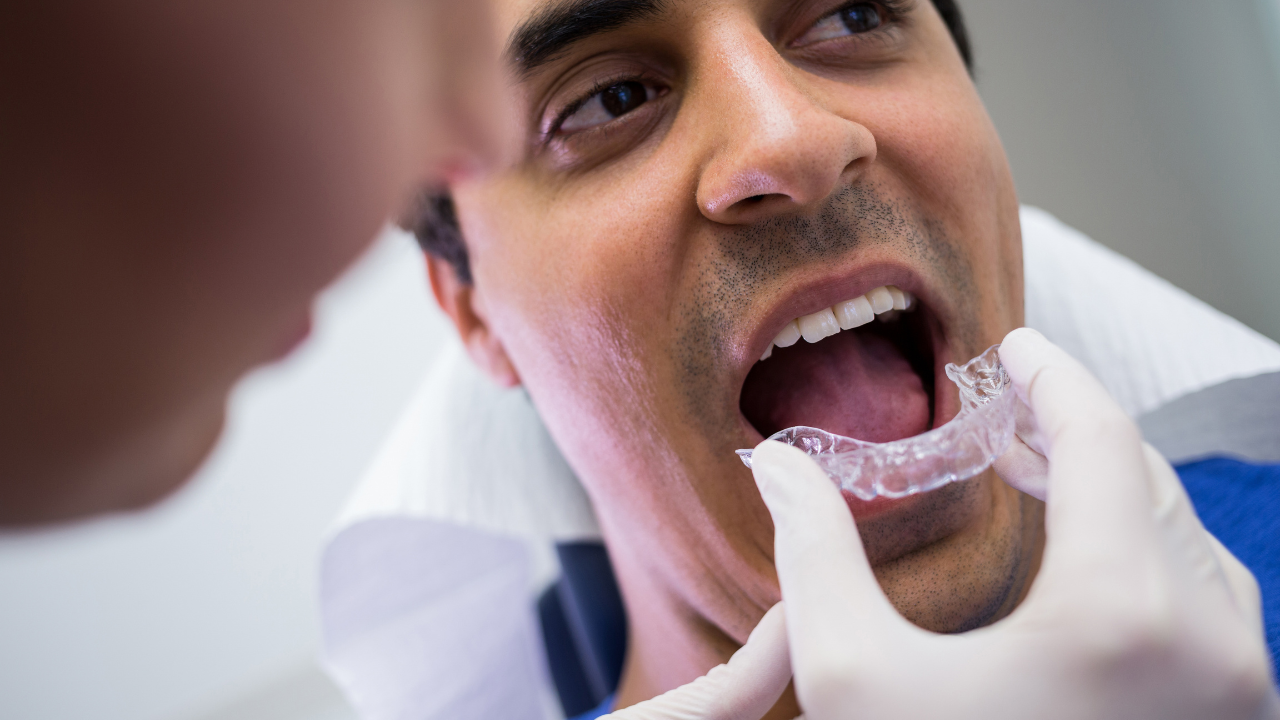
Wearing clear aligners can fit into many daily routines, but your habits can affect how consistently you follow your treatment instructions. What you eat and drink, how you care for your teeth, and how you manage your aligners can all be relevant during treatment.
Clear aligners are removable, which allows patients to take them out for meals and oral hygiene. This flexibility also means patients need to remember to replace them according to their dentist’s instructions.
Lifestyle habits are only one part of orthodontic treatment. Your dental condition, treatment plan, and how your teeth respond are also important. Understanding how everyday activities may affect aligner care can help you maintain a routine that works with your treatment plan.
How Daily Habits Can Affect Clear Aligner Treatment
Clear aligner treatment involves wearing a series of trays that are planned for different stages of tooth movement. Each aligner is intended to be used according to the instructions provided by the treating dental professional.
Your daily routine can affect how consistently you wear and care for your aligners.
For example, someone with a busy work schedule may need a simple routine for cleaning and storing their aligners. A person who eats frequently throughout the day may need to plan when they remove and replace the trays.
Repeated daily habits can affect how consistently you follow your aligner care instructions.
Wearing Your Aligners as Directed
One of the main lifestyle factors during clear aligner treatment is following the wearing instructions provided by your dentist or orthodontic professional.
Because aligners are removable, it can be easy to leave them out for longer than planned. This may happen during meals, social events, travel, or busy days at work or school.
Remembering to Put Aligners Back In
A simple routine can make aligner care easier. After eating and cleaning your teeth, replace the aligners according to your treatment instructions.
Some people find it useful to keep their aligner case and cleaning supplies in a regular place. A phone reminder may also help during the early stages of treatment.
If you regularly have difficulty following your wearing instructions, tell your dentist. They can explain what you should do based on your treatment plan.
Eating Habits During Invisalign Treatment
Clear aligners are generally removed before eating. This allows patients to continue eating their usual foods without placing food directly inside the trays.
After eating, cleaning your teeth as directed before replacing the aligners can help maintain oral hygiene.
Snacking Frequently
Frequent snacking can make aligner care more time-consuming. Each time you eat, you may need to remove the aligners and clean your teeth before putting them back in.
This does not mean you need to avoid snacks. You may simply need to organise your eating routine around your aligner instructions.
For example, some patients may find it easier to have snacks alongside regular meals rather than eating small amounts throughout the day.
Your dentist can provide advice based on your oral health and treatment plan.
Drinks and Clear Aligners
What you drink can also be relevant to aligner care. Water is generally a suitable drink while wearing clear aligners.
Other drinks may contain sugar, acids, or colouring. Drinking them while wearing aligners can allow these substances to remain in contact with the teeth.
Coffee, Tea, and Soft Drinks
Many people regularly drink coffee or tea. These drinks may contribute to tooth staining, particularly when consumed frequently.
Sugary and acidic drinks can also be relevant to oral health. Follow your dental professional’s instructions about which drinks are appropriate while wearing your aligners.
If you drink coffee, tea, or another beverage while your aligners are removed, clean your teeth as directed before replacing the trays.
Oral Hygiene and Aligner Care
Good oral hygiene remains important during clear aligner treatment. Because aligners sit closely over the teeth, regular cleaning of the teeth and aligners is part of routine care.
Brush your teeth as directed by your dental professional and clean between your teeth regularly.
The aligners themselves also need appropriate care.
Cleaning Your Aligners
Your dentist or orthodontic professional can explain how to clean your trays. Follow their instructions and avoid cleaning methods or products that have not been recommended.
When the aligners are not being worn, store them in their case. This can help reduce the chance of losing or damaging them.
Avoid exposing aligners to excessive heat, such as leaving them in a hot car or near a strong heat source, because heat may affect their shape.
Your Work or School Routine
Your daily schedule can influence how easy it is to follow an aligner care routine.
Students, office workers, shift workers, and people who travel for work may have different schedules. The important point is to find a practical routine that works with your treatment instructions.
Managing Aligners at Work
Some people may feel uncomfortable removing aligners around colleagues. If you need to remove them for meals, use a clean and private area where possible.
Keep your aligner case with you rather than placing the trays on a table, napkin, or another surface. This can help reduce the chance of losing them or accidentally throwing them away.
If your work involves frequent meals or long periods away from home, discuss your routine with your dentist.
Travel and Clear Aligner Treatment
Travel can make regular aligner care more difficult. Changes in time zones, meals, accommodation, and daily schedules may affect your normal routine.
Before travelling, make sure you have your current aligners, your storage case, and any other supplies recommended by your dental professional.
Travelling With Your Aligners
Keep your aligners and dental care supplies somewhere accessible during travel. Avoid placing them somewhere they may be difficult to access if you need them during your journey.
If you are travelling for an extended period, ask your dentist whether you need an appointment before leaving or whether there are specific instructions for your treatment stage.
Do not change aligners early, skip stages, or alter your treatment sequence unless your dental professional tells you to do so.
Exercise and Physical Activities
Clear aligners are removable, so patients involved in sports or exercise may need to consider how their routine fits with their treatment instructions.
If you participate in contact sports, ask your dentist whether a mouthguard is appropriate and how it should be used with your aligners.
Staying Hydrated
Water is a practical option during exercise and throughout the day. If you use sports drinks, ask your dental professional about when they should be consumed and whether you should remove your aligners.
Sports drinks can contain sugar and acids, which may be relevant to dental health.
Smoking and Tobacco Use
Smoking and tobacco use can affect oral health and may contribute to staining, gum problems, and other dental concerns.
Patients who smoke or use tobacco should discuss this with their dental professional. Your dentist can provide information about how these habits may relate to your oral health and aligner care.
Avoid placing substances in your aligners unless they have been recommended by your dental professional.
Teeth Grinding and Jaw Clenching
Some people grind or clench their teeth, including during sleep or periods of stress. This can contribute to tooth wear and may be relevant during orthodontic treatment.
Tell your dentist if you grind your teeth, wake with jaw discomfort, or notice worn or chipped teeth.
Managing Stress-Related Habits
Some people notice jaw clenching during work, studying, or stressful activities. If you regularly clench your teeth, mention it during your dental appointments.
Your dentist can examine your teeth and discuss whether any changes to your treatment plan or additional care should be considered.
Social Events and Special Occasions
Clear aligners can be removed for meals and certain social activities, but patients should follow the wearing instructions provided by their dental professional.
Parties, weddings, dinners, and other events can make it tempting to leave aligners out for extended periods.
Planning for Events
If you have a special event, think about where you will store your aligners when eating. Keep the case with you and avoid wrapping the trays in a napkin, as they can easily be misplaced or thrown away.
After eating, clean your teeth as directed before replacing the aligners.
If you expect to be away from your normal routine for several hours, ask your dentist how to manage your aligners.
What Happens If You Lose an Aligner?
Lifestyle events can sometimes lead to a lost or damaged aligner. For example, a tray may be left at a restaurant, misplaced during travel, or damaged by heat.
If this happens, contact your dentist or treatment provider rather than deciding on your next step yourself.
Depending on your treatment plan, they may advise you about whether to use a previous aligner, move to another stage, or obtain a replacement.
Do not make changes to your aligner sequence without professional advice.
How Your Routine Can Affect Dental Appointments
Your lifestyle can also affect how easy it is to attend scheduled dental appointments.
Regular appointments allow the dental professional to review your treatment and discuss any concerns. The timing of appointments depends on your treatment plan and individual clinical needs.
For people considering clear aligner treatment, speaking with a provider offering invisalign manhattan services can provide an opportunity to discuss how aligners may fit into their daily routine.
A consultation can also provide an opportunity to discuss work schedules, travel, meals, sports, and other lifestyle factors that may be relevant to treatment.
Building a Simple Aligner Routine
A simple routine can make daily aligner care easier to manage. Consider keeping your aligner case, toothbrush, toothpaste, and other recommended supplies together.
You can also create habits around meals. Remove the aligners before eating unless your dental professional gives different instructions, store them safely, clean your teeth as directed, and replace the aligners according to your treatment instructions.
A Simple Daily Checklist
Your routine may include:
- Wear your aligners as instructed.
- Remove them before eating unless your dentist provides different instructions.
- Drink water regularly.
- Brush your teeth as directed.
- Clean between your teeth.
- Clean your aligners using the recommended method.
- Store aligners in their case when they are removed.
- Avoid exposing aligners to excessive heat.
- Follow your scheduled aligner changes.
- Attend dental appointments as advised.
- Contact your dentist if an aligner is lost, damaged, or no longer fits as expected.
When to Contact Your Dentist
Contact your dental professional if you notice a significant change during treatment.
This may include:
- An aligner becoming damaged
- Losing an aligner
- A tray no longer fitting as expected
- Persistent discomfort
- A sharp edge causing irritation
- Changes in your bite
- Concerns about wearing the aligners as instructed
Do not assume that a problem will resolve on its own. Your dentist can assess the situation and provide advice based on your individual treatment plan.
For patients researching clear aligner options, a consultation about invisalign manhattan can help explain how treatment may fit around work, travel, meals, exercise, and other everyday activities.
Conclusion
Your lifestyle can influence how easy it is to follow a clear aligner treatment plan. Eating habits, drinks, oral hygiene, work schedules, travel, exercise, tobacco use, social events, and daily routines can all affect how you manage your aligners.
The key step is to follow the instructions provided by your dental professional. If your routine changes or you experience a problem with your aligners, ask your dentist what you should do.
Clear aligner treatment is different for every patient. Discussing your lifestyle and daily habits during a consultation can help your dental professional explain the treatment process and provide advice that fits your individual circumstances.
