


Finding the right fit starts with understanding what your size actually means in numbers. If you have ever ordered an XXL size online and received something that fits nothing like you expected, you are not alone. Sizing varies by brand, country, and garment type, and the label “XXL” does not always tell the full story.
This guide breaks down everything you need to know about XXL size, including exact measurements, international conversions, how to measure yourself correctly, and tips for getting the best fit every single time.
What Does XXL Size Mean?
XXL stands for “double extra-large.” It is two sizes above the standard large (L) and one above extra-large (XL). However, the actual body measurements that correspond to XXL size differ depending on the brand, the country, and whether you are shopping for men’s or women’s clothing.
That is why knowing your measurements in centimetres or inches matters far more than relying on the label alone.
XXL Size in Numbers: Women’s Measurements
For women, XXL size typically corresponds to the following measurements:
| Measurement | XXL Size Range |
|---|---|
| Bust | 44 – 46 inches (112 – 117 cm) |
| Waist | 36 – 38 inches (91 – 97 cm) |
| Hips | 46 – 48 inches (117 – 122 cm) |
| UK Dress Size | 20 – 22 |
| US Dress Size | 18 – 20 |
| EU Size | 48 – 50 |
Keep in mind that these numbers are averages. Some brands cut their XXL size more generously, while others run smaller. Always check the brand’s specific size chart before ordering.
XXL Size in Numbers: Men’s Measurements
For men, XXL size corresponds to different measurements since men’s and women’s clothing is proportioned differently:
| Measurement | XXL Size Range |
|---|---|
| Chest | 46 – 48 inches (117 – 122 cm) |
| Waist | 40 – 42 inches (102 – 107 cm) |
| Hips | 48 – 50 inches (122 – 127 cm) |
| Neck | 18 – 18.5 inches (46 – 47 cm) |
| Sleeve (T-shirt) | 25 – 26 inches |
For men’s shirts, the sleeve length matters as much as the chest measurement. A man who wears an XXL size in a T-shirt may need a slightly different size in a dress shirt, where neck circumference and sleeve length become the primary measurements.
XXL Size in CM: International Conversion Chart
One of the biggest sources of confusion when shopping online is that XXL size means different things in different countries. An XXL from a US brand, a European brand, and an Asian brand can vary by several inches in each measurement.
Women’s XXL Size International Conversion
| Region | Size Label | Chest (cm) | Waist (cm) | Hips (cm) |
|---|---|---|---|---|
| USA | XXL | 112 – 117 | 91 – 97 | 117 – 122 |
| UK | 20 – 22 | 112 – 117 | 91 – 97 | 117 – 122 |
| Europe | 48 – 50 | 112 – 117 | 91 – 97 | 117 – 122 |
| Australia | 20 – 22 | 112 – 117 | 91 – 97 | 117 – 122 |
| India | 46 – 48 | 112 – 117 | 91 – 97 | 117 – 122 |
| China/Asia | 3XL – 4XL | 110 – 116 | 90 – 96 | 116 – 121 |
Important note for Asian sizing: Asian clothing brands typically run one to two full sizes smaller than their US and European counterparts. If you normally wear an XXL size in Western brands, you will likely need a 3XL or even 4XL in many Asian brands. Always use the centimetre measurements, not the size label, when ordering from international retailers.
Men’s XXL Size International Conversion
| Region | Size Label | Chest (cm) | Waist (cm) |
|---|---|---|---|
| USA | XXL | 117 – 122 | 102 – 107 |
| UK | XXL | 117 – 122 | 102 – 107 |
| Europe | 56 – 58 | 117 – 122 | 102 – 107 |
| India | 46 – 48 | 117 – 122 | 102 – 107 |
| China/Asia | 3XL – 4XL | 114 – 120 | 100 – 106 |
How to Measure Yourself for XXL Size Clothing
Getting an accurate measurement is the most reliable way to confirm your XXL size before buying. Here is how to do it correctly:
What you need: A soft measuring tape (not a rigid one), a mirror or a friend to help, and a notepad.
Step 1: Measure Your Chest or Bust
Stand upright and breathe normally. Wrap the measuring tape around the fullest part of your chest (for men) or bust (for women). Keep the tape parallel to the floor and make sure it is snug but not tight. Note this number.
Step 2: Measure Your Waist
Find your natural waist, which is the narrowest part of your torso, typically just above your belly button. Do not suck in. Keep the tape snug. Note this measurement.
Step 3: Measure Your Hips
Stand with your feet together. Wrap the tape around the fullest part of your hips and backside, usually about 8 inches (20 cm) below your natural waist. Keep it level and note the measurement.
Step 4: Measure Your Inseam (for bottoms)
Stand straight and measure from the top of your inner thigh down to your ankle. This is especially important when buying jeans or trousers in an XXL size, since the waist measurement alone does not guarantee a good fit through the hips and thighs.
Step 5: Compare to the Brand’s Size Chart
Once you have your measurements, compare them directly to the brand’s specific size chart, not just the generic XXL label. Brands vary significantly in how they cut XXL size garments.
XXL Size vs. Plus Size: What Is the Difference?
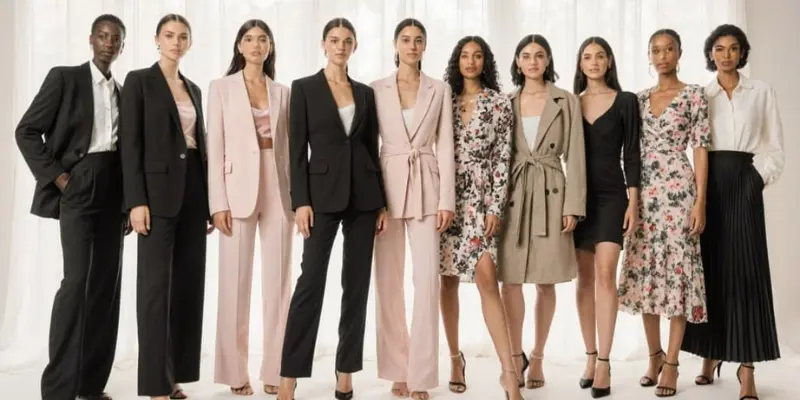
This is one of the most common questions about XXL size, and it is an important one.
- XXL size is a standardised clothing size that refers to a specific range of measurements. It exists in both standard sizing systems and plus-size systems.
- Plus size is a retail category, not a specific measurement. In the US and UK, plus size typically begins at a women’s size 14 or 16 (roughly an XL or XXL size depending on the brand). However, this varies widely. Some brands label their XL as plus size, while others do not start their plus-size range until a 2XL or 3XL.
- The key difference is this: XXL size is a measurement descriptor. Plus size is a market category. A garment labelled XXL size can appear in both a standard range and a plus-size range, and the fit, cut, and proportions may differ between the two even at the same measurement.
If you are shopping plus size specifically, look for brands that offer extended sizing with proportional grading, meaning each size increase adds consistent additional room across the chest, waist, hips, and length.
XXL Size Across Different Garment Types
Here is something most sizing guides do not tell you: your XXL size in one type of garment does not automatically translate to the same fit in another. Here is what to watch for:
T-Shirts and Casual Tops
Men’s and women’s XXL size T-shirts are often the most straightforward because they are designed with ease and stretch. However, shoulder width can vary a lot. If the shoulder seam of an XXL size shirt falls off your shoulder, the shirt is too big regardless of how it fits at the chest.
Button-Down Shirts and Blouses
For men, button-down shirts in XXL size need to account for neck circumference and sleeve length separately from chest size. For women, bust and shoulder width are the critical measurements for blouses, since button-front shirts are notorious for pulling at the chest on fuller figures even when the overall size is correct.
Jeans and Trousers
In XXL size bottoms, the waist-to-hip ratio matters enormously. People with a larger hip-to-waist difference often find that XXL size jeans fit at the hips but gap at the waist, or fit at the waist but cannot pull up over the hips. Look for brands that offer specific hip-to-waist ratios or adjustable waistbands.
Dresses and Jumpsuits
One-piece garments in XXL size need to fit the widest point of your body first. Find your widest measurement (usually bust or hips), choose the XXL size that accommodates that measurement, and then consider alterations at the waist if needed.
Activewear and Sportswear
XXL size in activewear typically runs tighter than in casual wear because the fabrics are stretchy by design. If you are between sizes, go up. A tight workout garment restricts movement, while a slightly looser XXL size in activewear will still look fitted due to the stretch.
How Fabric Affects Your XXL Size Fit
Fabric composition has a huge impact on how an XXL size garment fits and feels, yet most people do not think about it when ordering online.
100% Cotton: Cotton has no stretch, so it fits exactly to its measurements. If an XXL size cotton T-shirt’s chest measurement is 48 inches, it will stay at 48 inches. Cotton also shrinks in a hot wash, so go up a size if you run it through a warm cycle regularly.
Cotton-Polyester Blends: These are the most common in casualwear. They hold their shape better than pure cotton, resist shrinking, and have a small amount of natural ease.
Elastane or Spandex Blends: Any fabric with 2-5% elastane will have noticeable stretch and recovery. An XXL size with elastane will accommodate a wider range of measurements, which is why fitted tops and activewear almost always contain it.
Linen and Viscose: These fabrics have limited stretch but tend to drape rather than cling, making them forgiving at an XXL size. However, they wrinkle easily and can shrink in the wash.
Jersey Knit: Used in most casual T-shirts, jersey has inherent stretch in both directions, which is why an XXL size jersey top often fits a wider range of people than its measurements suggest.
XXL Size Shopping Tips for Online Orders
Online shopping in an XXL size comes with specific challenges. Here is how to get it right without needing to return half your wardrobe:
- Always measure first. Do not rely on your memory of what size you wore last season or with a different brand. Measure before every significant purchase.
- Read the size chart in the product listing, not a general chart. Each brand has its own interpretation of what XXL size means in real measurements.
- Check customer reviews for fit feedback. Look for reviews from people with similar measurements. Phrases like “runs small,” “fits true to size,” or “generous cut” are invaluable when buying XXL size clothing online.
- Note the model’s measurements. Many brands list the model’s measurements and the size they are wearing in the product photo. This gives you a real-world reference point.
- Understand the return policy before you buy. Even with the best preparation, an XXL size garment can miss the mark. Know whether you can return or exchange before you order.
- Look at the garment measurements, not just the size label. Some product listings include exact garment measurements (the physical dimensions of the garment itself). These are more reliable than the size label.
- For international orders, always convert to centimetres. When ordering from Asian brands in particular, never assume the XXL size label is equivalent to a Western XXL. Use your centimetre measurements and the brand’s specific chart.
Size Up or Size Down? How to Decide
When you are right on the border between XL and XXL size, use this simple decision guide:
- Choose the larger size (XXL) if: the garment is not stretchy, you prefer a relaxed fit, it is a structured piece like a blazer or button-down, or the chest and hips are the critical measurements.
- Stay at the smaller size (XL) if: the fabric has significant stretch (elastane blend), you prefer a fitted look, or the waist and waistband measurements work for your waist even if the hips are slightly tighter.
When in doubt, go up. Clothing that is slightly too large can often be tailored inward. Clothing that is too small cannot be made larger.
How to Care for XXL Size Garments to Maintain Fit
How you wash and dry your clothes affects their fit over time, especially at an XXL size where even a small amount of shrinkage can push a garment out of the comfortable zone.
- Wash in cold water. Hot water shrinks natural fibres, especially cotton. Cold water protects the fabric and the fit.
- Air dry when possible. Tumble drying, especially on high heat, is the fastest way to shrink an XXL size cotton garment by a full size.
- Turn garments inside out. This reduces friction and colour fading, keeping the garment looking newer for longer.
- Follow the care label. The care label is not just a suggestion. If an XXL size garment says “dry clean only,” washing it at home risks significant shrinkage or distortion.
- Reshape while damp. If you do tumble dry, take the garment out while slightly damp and reshape it to its original dimensions. This helps maintain the intended cut of your XXL size piece.
Frequently Asked Questions About XXL Size
What is XXL size in inches for women?
For women, XXL size typically measures 44 to 46 inches (112 to 117 cm) at the bust, 36 to 38 inches (91 to 97 cm) at the waist, and 46 to 48 inches (117 to 122 cm) at the hips. These are averages, and exact measurements vary by brand.
What is XXL size in inches for men?
For men, XXL size typically measures 46 to 48 inches (117 to 122 cm) at the chest and 40 to 42 inches (102 to 107 cm) at the waist. Sleeve length and neck circumference are also important for men’s shirts at this size.
Is XXL size the same as a size 20 for women?
In most US and UK sizing systems, a women’s XXL size corresponds to approximately a size 18 to 22, depending on the brand. A size 20 is typically at the centre of the XXL size range for women.
Is XXL size the same as plus size?
Not necessarily. Plus size is a retail category that different brands define differently. XXL size can fall within the standard sizing range or the plus-size range, depending on the brand. Many brands now use XXL size interchangeably with the start of their plus or extended size range.
Why does my XXL size fit differently in different brands?
Because each brand uses its own grading system and block (the base pattern from which all sizes are scaled). There is no universal standard that enforces exactly what measurements an XXL size must have, which is why fit varies so significantly between brands.
What is the difference between XXL and 2XL?
XXL and 2XL are the same size. The labels are used interchangeably. Some brands prefer the numerical notation (2XL, 3XL, 4XL), while others use the letter notation (XXL, XXXL, XXXXL). They refer to identical measurements.
Does XXL size in Asian brands mean the same as in Western brands?
No. Asian sizing typically runs one to two sizes smaller than Western sizing. If you wear an XXL size in a US or European brand, you will usually need a 3XL or 4XL in most Asian brands. Always use your body measurements in centimetres and compare them directly to the Asian brand’s size chart.
How do I know if I need an XXL or an XXXL?
Compare your body measurements to both size ranges on the specific brand’s chart. If your measurements fall at the top end of the XXL size range, especially in a non-stretch fabric, consider the XXXL for a more comfortable fit. If you are at the lower end of the XXL size range and prefer a fitted look in a stretch fabric, you may be fine staying in XL.
Can I alter an XXL size garment to fit better?
Yes, most XXL size garments can be altered. Taking in a waist, adjusting sleeve length, or hemming are common and inexpensive alterations. It is more difficult and costly to let a garment out (make it larger), which is why buying slightly larger and altering inward is usually the smarter strategy.
What does XXL size mean for kids’ clothing?
In children’s clothing, XXL size typically refers to ages 14 to 16, though this varies by brand. Children’s XXL size is not the same as an adult XXL size, and the measurements differ considerably. Always check the specific brand’s age and measurement guide for children’s sizing.
Conclusion: Finding Your Perfect XXL Size Fit
Shopping for an XXL size does not have to be a guessing game. The most important shift you can make is moving away from trusting the label and instead trusting your measurements. Once you know your chest, waist, and hip measurements in centimetres or inches, you have everything you need to navigate any brand’s size chart, whether it is a US retailer, a European label, or an Asian brand where XXL size means something entirely different.
The second shift is understanding context. Your XXL size in a stretchy jersey top is not the same as your XXL size in a structured cotton blazer. The fabric, the cut, and the garment type all shape how a size actually fits your body. Use the charts and tips in this guide as your starting point, and over time you will build a reliable instinct for when to trust the label and when to size up.
The bottom line: measure once, buy confidently, and never let a number on a tag define your fit.
