


Shopping in size XXXL should be simple, but for millions of people, it is anything but. One brand’s XXXL fits like a dream; another brand’s XXXL barely gets past your hips. One retailer labels XXXL as a UK size 22, while another calls the same measurements an XL. It is confusing, frustrating, and completely unnecessary.
This guide cuts through all of that. You will find exact XXXL measurements for women, men, and children, a brand-by-brand comparison, styling tips, fabric advice, and practical answers to every common XXXL question, all in one place. No fluff, no filler, just the information you actually need.
What Does XXXL Actually Mean?
XXXL stands for “Triple Extra Large.” It is a clothing size that sits above XXL in the standard sizing scale, which runs from XS through S, M, L, XL, XXL, and then XXXL. In numeric sizing, XXXL typically corresponds to sizes 22 to 26, depending on the brand, country, and gender.
Here is the key thing most people do not realize: XXXL is not a universal standard. There is no global authority that mandates what measurements XXXL must cover. Every brand sets its own sizing, which is why the same label can mean very different things in different stores.
XXXL Size Chart: Women’s Measurements
For women, XXXL clothing generally covers the following body measurements:
| Measurement | XXXL Range |
|---|---|
| Bust | 48 to 52 inches (122 to 132 cm) |
| Waist | 40 to 44 inches (102 to 112 cm) |
| Hips | 50 to 54 inches (127 to 137 cm) |
| Dress Size (US) | 22 to 24 |
| Dress Size (UK) | 26 to 28 |
| Dress Size (EU) | 52 to 54 |
These are general guidelines. Always check the specific brand’s size chart before ordering, because XXXL measurements can vary by 2 to 4 inches from one retailer to the next.
XXXL Size Chart: Men’s Measurements
Men’s XXXL sizing follows a different set of measurements. Here is what to expect:
| Measurement | XXXL Range |
|---|---|
| Chest | 50 to 54 inches (127 to 137 cm) |
| Waist | 46 to 50 inches (117 to 127 cm) |
| Neck | 19 to 20 inches (48 to 51 cm) |
| Shirt Size (US/UK) | XXXL |
| EU Numeric | 60 to 62 |
Men’s XXXL is more standardized than women’s XXXL, but differences still exist, especially between American, European, and Asian brands. A US XXXL shirt from a mainstream retailer will typically run larger than a XXXL from a European fashion brand.
XXXL in Different Countries: A Size Conversion Guide
One of the most confusing aspects of shopping XXXL internationally is how dramatically the label translates across regions. Here is a quick conversion chart:
| US Size | UK Size | EU Size | AU Size |
|---|---|---|---|
| XXXL (22-24) | 26-28 | 52-54 | 22-24 |
| XXXL (Mens) | XXXL | 60-62 | XXXL |
Key takeaways for international XXXL shoppers:
- UK sizes run about 4 to 6 numbers higher than US sizes for women.
- EU numeric sizes for women are typically double the US size, plus 28 to 30.
- Australian women’s sizing generally mirrors US sizing.
- Men’s XXXL is broadly consistent across the US, UK, and Australia, but Asian-market sizing (Japan, Korea, China) may run 1 to 2 sizes smaller.
How to Measure Yourself for XXXL Clothing
Getting the right XXXL fit starts with accurate measurements. You will need a soft measuring tape and ideally a friend to help. Here is what to measure:
For Women:
- Bust: Measure around the fullest part of your chest, keeping the tape parallel to the floor.
- Waist: Measure around your natural waist, which is the narrowest part of your torso, usually about an inch above your belly button.
- Hips: Measure around the fullest part of your hips and bottom, usually 7 to 9 inches below your natural waist.
- High hip: Measure about 3 inches below your natural waist. This measurement matters for trousers and skirts.
For Men:
- Chest: Measure around the fullest part of your chest, just under your armpits.
- Waist: Measure around your waist where you wear your trousers.
- Neck: Measure around the base of your neck, adding 0.5 inches for a comfortable shirt collar fit.
- Sleeve length: Measure from the center back of your neck, across your shoulder, and down to your wrist.
Write these numbers down and compare them directly to brand size charts, not just the label. This one step alone will save you from countless return shipments.
XXXL Brand Comparison: How Different Retailers Measure Up
This is the section competitors never include, and it is the one you actually need. Here is how popular brands interpret XXXL for women:
| Brand / Retailer | XXXL Bust (inches) | XXXL Waist (inches) | Numeric Size |
|---|---|---|---|
| Zizzi | 48 to 50 | 40 to 42 | 22 to 24 |
| ASOS Curve | 50 to 52 | 42 to 44 | 24 |
| Torrid | 50 to 52 | 42 to 44 | 4 to 5 |
| H&M | 47 to 49 | 39 to 41 | 22 |
| Shein | 50 to 54 | 43 to 47 | 22 to 24 |
| Abercrombie | 48 to 50 | 38 to 42 | 3X |
| Tjori | 46 to 50 | 40 to 44 | 22 |
| Old Navy | 48 to 50 | 40 to 42 | 22 to 24 |
What this tells you:
A XXXL from Shein may be significantly larger than a XXXL from H&M, even though both use the same label. Always read the actual inch or centimeter measurements, not just the letter size.
Why Does XXXL Vary So Much Between Brands?
The variation in XXXL sizing comes down to a few key reasons:
- Vanity sizing: Some brands deliberately size their clothing larger than the label suggests, so customers feel they are fitting into a smaller size. This practice inflates confidence but creates confusion when shopping elsewhere.
- Target market differences: A brand designed for a younger, fashion-forward customer base may cut its XXXL closer to the body than a brand focused on comfort and ease of movement.
- Country of manufacture: Sizing patterns developed in different countries reflect different body shape norms. A brand that manufactures primarily in Asia may produce XXXL garments cut for different proportions than a brand manufacturing in the US or UK.
- Garment type: A XXXL T-shirt and a XXXL formal blazer from the same brand may have completely different measurements because each garment is designed with different levels of ease and structure.
XXXL Styling Tips: How to Look and Feel Your Best
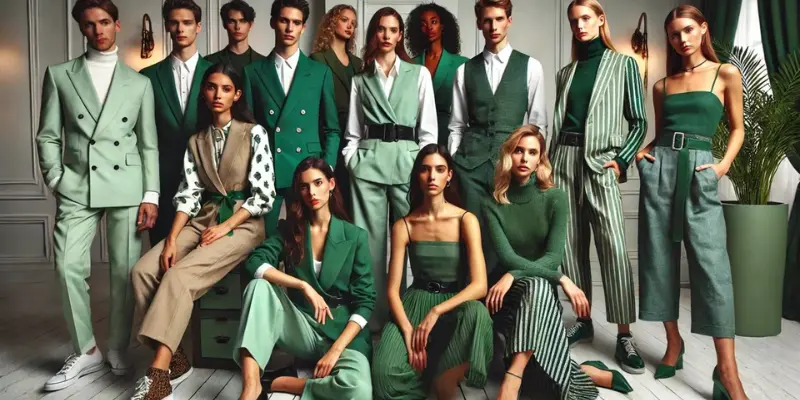
Finding XXXL clothing that fits is only half the job. Wearing it well is the other half. Here are practical styling tips that work for any body type wearing XXXL:
Choose Fabrics That Work With You
- Jersey and ponte fabrics: have natural stretch and drape beautifully over curves.
- Linen and cotton blends: breathe well and resist clinging in warm weather.
- Avoid stiff, structured fabrics: like thick denim or heavy canvas if you want comfort and movement.
- Bamboo and modal fabrics: are increasingly popular in XXXL clothing because they are ultra-soft and temperature-regulating.
Fit Is Everything
The most common XXXL styling mistake is buying clothing that is either too large or too small out of fear or habit. In XXXL, the right fit means:
- Shoulders sit at your actual shoulder seam.
- Sleeves reach your wrist without pulling.
- The chest closes without gaping.
- Trousers sit at your waist without a waistband that cuts in.
Ill-fitting XXXL clothing adds visual bulk. Well-fitting XXXL clothing looks polished and intentional.
Build Your XXXL Wardrobe Around Versatile Basics
Start with these foundational XXXL pieces:
- A well-fitted XXXL crew-neck T-shirt in a neutral color.
- A structured XXXL blazer or cardigan that can dress up or down.
- XXXL straight-leg or wide-leg trousers in a dark wash or neutral tone.
- A XXXL wrap dress or A-line dress, which flatters a wide range of body shapes.
- XXXL fitted leggings in a thick, compression fabric.
These pieces mix and match easily, giving you more outfit options from fewer items.
XXXL Clothing Care: How to Keep Your Clothes Looking Great
Larger garments experience more fabric stress, especially at seams and stress points. Follow these care tips to extend the life of your XXXL clothing:
- Wash XXXL items inside out to reduce fading and pilling on outer surfaces.
- Use cold water for most washes. Hot water shrinks natural fibers and can warp elastic waistbands.
- Air dry when possible. Tumble drying applies repeated stress to seams and elastic. It also causes shrinkage, which matters when XXXL already has limited room to spare.
- Check seam allowances before buying. A XXXL garment with generous seam allowances can be let out by a tailor. Garments with minimal seams cannot be adjusted if they shrink.
- Store knitwear folded, not hung. XXXL knit garments can stretch and distort when hung on a standard hanger.
How to Shop XXXL Online Confidently
Online XXXL shopping can go wrong quickly, but these strategies make it much safer:
- Always read the measurements, not the label. Find the brand’s size chart and compare your actual measurements to the garment’s listed dimensions.
- Read reviews from people with your body type. Look for reviews that mention measurements, and filter for reviews from people of similar height and build.
- Check the return policy before you buy. A generous, free return policy makes size uncertainty much less risky.
- Order two sizes if you are between sizes. Return the one that fits less well. This is especially useful for XXXL, where the gap between sizes can be significant.
- Look for stretch indicators. Products listed as having 2-way or 4-way stretch will accommodate a wider range of measurements within the XXXL range.
- Check the model’s measurements. Many plus-size brands now list the model’s height and measurements, which helps you visualize the garment before buying.
XXXL for Kids and Teens: What Parents Need to Know
Several brands, including The Children’s Place, offer XXXL in adult sizes for older children and teens. This is a relatively new category, and sizing varies significantly:
- XXXL in children’s/teen brands typically corresponds to a US women’s size 16 to 18.
- These garments are cut shorter in the torso and may have narrower shoulders than adult XXXL.
- If your teen is between junior and adult sizing, try both categories and compare the specific measurements.
Parents shopping XXXL for children should focus on waist, hip, and inseam measurements rather than the letter size alone.
XXXL in Activewear: Special Considerations
XXXL activewear has its own sizing quirks. Compression fabrics, moisture-wicking materials, and athletic cuts all affect how XXXL translates into actual fit:
- High-waist XXXL leggings: vary widely. Some brands cut the rise at 9 inches; others go to 12 inches. If you have a longer torso, look for brands that list the rise measurement explicitly.
- XXXL sports bras: should be measured by both band size and cup volume. A standard sports bra in XXXL may not provide adequate support for larger cup sizes.
- XXXL swim wear: often uses separate size charts from everyday clothing. Always check the specific swimwear size guide.
- Athletic XXXL tops: from performance brands often run smaller than casual XXXL from the same brand.
Frequently Asked Questions About XXXL
What size is XXXL in numbers?
For women, XXXL generally corresponds to US sizes 22 to 24 and UK sizes 26 to 28. For men, XXXL corresponds to a chest measurement of approximately 50 to 54 inches. However, exact numeric equivalents vary by brand.
Is XXXL the same as 3X?
In most cases, yes. XXXL and 3X are used interchangeably by most brands. However, some brands use 3X to indicate a size slightly larger than XXXL, so always check the brand’s specific size chart to confirm.
Is XXXL plus size?
XXXL falls squarely within the plus-size range. Most mainstream retailers define plus size as size 14 or 16 and above. XXXL, typically corresponding to sizes 22 to 24, is well within the plus-size category.
What bust size is XXXL?
For women, a XXXL bust measurement is generally between 48 and 52 inches (122 to 132 cm), depending on the brand.
Why does one brand’s XXXL fit so differently from another’s?
Because there is no universal sizing standard. Each brand sets its own measurements, leading to significant variation across retailers. The only reliable way to check is to compare your actual body measurements to the brand’s published size chart.
How do I know if a XXXL will fit before I buy it?
Measure your bust, waist, and hips, then compare those numbers directly to the brand’s listed garment measurements. Do not rely on the letter size alone.
Does XXXL shrink in the wash?
It can, especially if it contains cotton or other natural fibers. Wash XXXL garments in cold water and air dry when possible to minimize shrinkage.
Where can I find stylish XXXL clothing?
Many mainstream and specialist retailers now carry strong XXXL ranges, including ASOS Curve, Zizzi, Torrid, Old Navy, H&M, Shein Curve, Tjori (for ethnic wear), and Target. Many high-street brands have also expanded their XXXL offerings in recent years.
Can I alter XXXL clothing if it does not fit perfectly?
Yes, in many cases. A tailor can take in the waist, shorten hems, or adjust sleeves on most XXXL garments. Letting out seams is only possible if the garment has sufficient seam allowance, so check this before buying with alteration in mind.
What is the difference between XXXL and plus size?
XXXL is a specific size within the plus-size category. “Plus size” is an umbrella term for sizes above the straight-size range, which typically starts around size 14 to 16. XXXL is one of the larger sizes within this category.
Final Thoughts on Finding the Right XXXL Fit
XXXL is a label, not a guarantee. The single most important thing you can take away from this guide is this: always compare your measurements to the garment’s measurements, not to the letter on the label.
Once you know your exact bust, waist, and hip measurements, XXXL shopping becomes significantly less frustrating. You can filter out brands whose XXXL cut does not match your proportions and focus on the ones that consistently work for your body.
The fashion industry is slowly improving its consistency around XXXL and extended sizing more broadly. More brands are listing exact garment measurements on their product pages, more models at XXXL sizes are appearing in campaign imagery, and more style options are available than ever before. With the right information, finding XXXL clothing that fits beautifully and makes you feel confident is absolutely achievable.
