

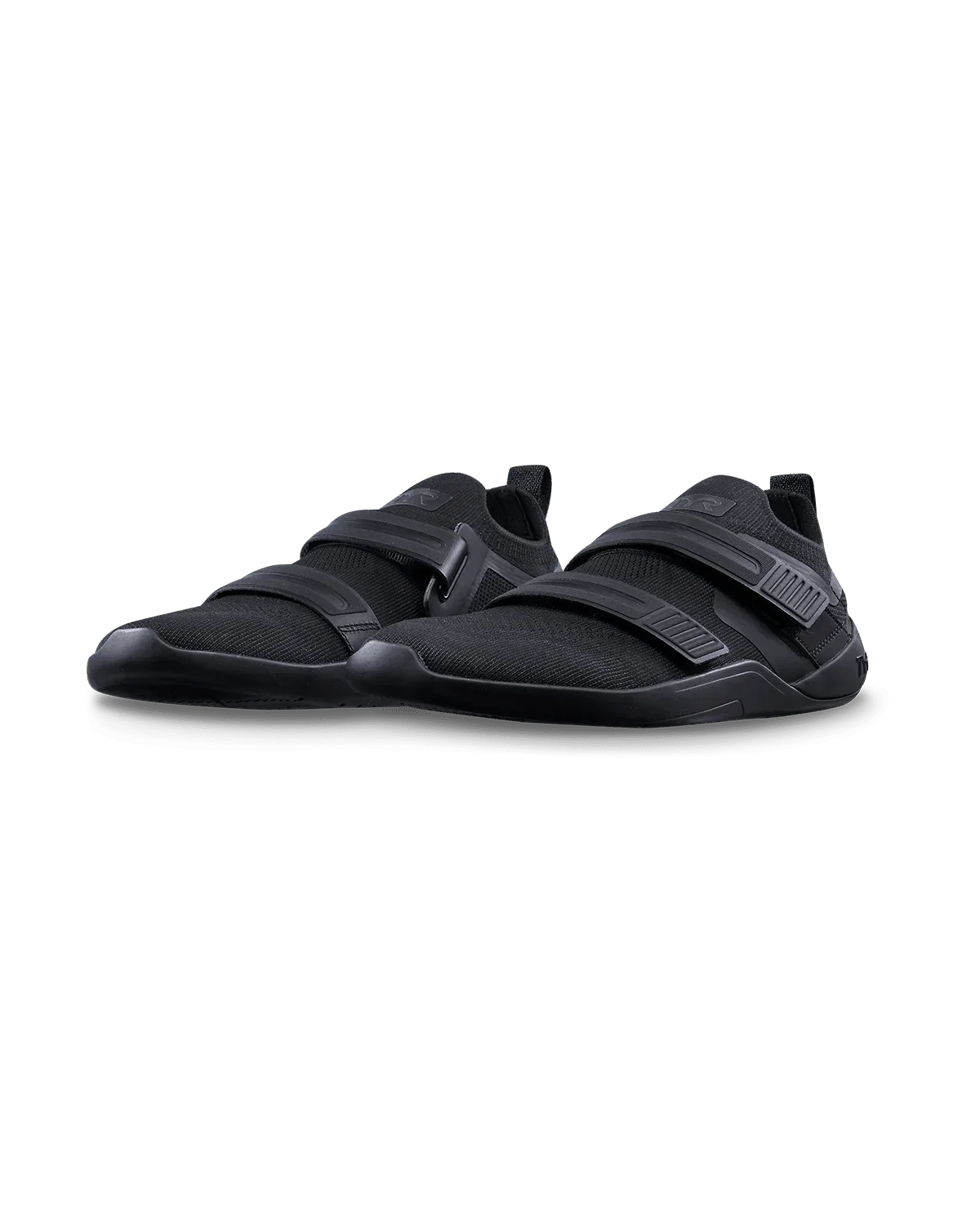
Choosing the right men’s footwear starts with understanding how you train. Shoes designed for running prioritise cushioning and repeated forward movement, while gym trainers often focus on stability, grip and support during varied exercises. Weightlifting footwear has different requirements again, particularly when a firm base and secure foot placement matter. Wearing a suitable pair can improve comfort during your chosen activity, although no shoe can replace sound technique or appropriate training habits. Before buying athletic shoes, consider the movements you perform most often, the surfaces you use and the fit that feels comfortable throughout a session.
Browse the mens footwear collection to compare available styles and identify designs suited to your training preferences. Looking at footwear by intended use can help narrow the options before you assess individual features. Rather than choosing based on appearance alone, consider how each design supports the activities in your weekly routine. Cushioning, traction, flexibility and fit all influence how a shoe feels during exercise. A clear understanding of these features makes it easier to choose footwear that meets your needs.
1. Men’s Athletic Shoes for Different Activities
Men’s athletic shoes cover several categories, and each is developed around particular movement requirements. Running shoes typically include cushioning to manage repeated impact, with designs varying according to distance, pace and running surface. Training shoes are often made for a broader range of gym movements, including resistance exercises, circuits and lateral drills. Weightlifting shoes may have firmer soles and raised heels to suit certain lifting techniques. Understanding these differences helps you avoid expecting one type of shoe to perform equally well in every setting.
General sports shoes may offer a practical option for people who take part in different forms of exercise. However, the label alone does not tell you whether a shoe is suitable for your main activity. Check the sole construction, upper materials, fit and intended use before deciding. Some versatile trainers balance flexibility with moderate cushioning, while specialist models concentrate on particular demands. Your choice should reflect the balance between comfort, stability and movement required by your training.
2. Men’s Training Footwear for Gym Workouts
Gym training can include resistance exercises, machines, free weights, short conditioning intervals and bodyweight movements. This variety means men’s training footwear needs to provide a useful balance of grip, support and flexibility. A stable platform can be helpful during controlled strength exercises, while sufficient flexibility allows the foot to move naturally during dynamic activities. The upper should hold the foot securely without creating pressure around the toes or midfoot. Consider how the shoe performs across your usual exercises rather than judging it by a single feature.
When comparing men’s gym trainers, look closely at construction and fit. A heavily cushioned shoe may feel comfortable for walking between exercises, but excessive softness may be less suitable for movements that require a firm base. Conversely, a very rigid shoe may not feel comfortable during conditioning sessions that involve varied footwork. The right balance depends on your workout programme and personal preferences. If your sessions combine heavy lifting with running or jumping, consider whether one pair can reasonably accommodate both demands.
Useful features to assess include:
- Traction: The outsole should provide suitable grip on the gym floor.
- Stability: The sole should feel dependable during controlled strength exercises.
- Flexibility: The shoe should allow the foot to move comfortably during dynamic training.
- Fit: The heel and midfoot should feel secure without restricting the toes.
- Construction: Materials should suit the frequency and type of exercise you perform.
3. Choosing Running Shoes for Comfort and Movement
Running places repeated demands on the feet, so cushioning is an important consideration when comparing running shoes. The appropriate amount depends on factors such as distance, pace, surface and personal comfort preferences. Some runners prefer a softer feel, while others favour a firmer response underfoot. Shoe weight, upper breathability and heel security can also affect comfort during longer sessions. No single cushioning design is ideal for every runner, so consider how the shoe feels during movement rather than relying on specifications alone.
The outsole deserves attention because running surfaces differ. Road-running shoes are commonly designed for paved surfaces, while trail-running models may feature deeper lugs for grip on uneven ground. A shoe intended for one surface may not provide the same traction on another. Check the manufacturer’s description and inspect the tread pattern before making a decision. The upper should hold the foot comfortably, and there should be sufficient toe room to avoid pressure during movement.
Running shoes are not always the best choice for strength training. Soft midsoles can compress under load, making some exercises feel less stable than they would in firmer footwear. If running is your main activity, a dedicated running shoe may be appropriate, but mixed training can require a different solution. Consider the amount of time spent running compared with lifting, jumping and lateral movement. Where these activities make up substantial parts of your programme, separate pairs may offer a better match for each task.
4. Weightlifting Shoes and Stable Gym Trainers
Weightlifting shoes are designed around the need for a firm platform and secure foot placement during loaded exercises. Many feature a raised heel, which changes the ankle position and may help some lifters maintain their preferred squat posture. Their soles are generally firmer than those found in conventional running shoes, limiting excessive compression under load. Straps or structured lacing systems can also help secure the midfoot. These features can be useful for certain squats and Olympic lifts, but they do not automatically make specialist footwear necessary for every gym-goer.
Flatter training shoes may suit exercises where a lower heel-to-toe profile is preferred. The most appropriate option depends on the movement, lifting technique and comfort of the individual. Check heel height, sole firmness and fastening before selecting a pair for strength sessions. If your workout includes running or repeated jumps, dedicated lifting shoes may be too specialised for the entire session. Matching the footwear to the exercise can help you maintain a consistent and comfortable training setup.
5. Fit, Cushioning and Traction: What to Check Before Buying
Fit should be a priority when choosing men’s sports shoes. The heel should remain secure during movement, while the forefoot should have enough room to avoid uncomfortable pressure. A shoe that is too narrow may restrict the toes, whereas an overly loose design can allow the foot to slide inside. Sizing may vary between models, so consult the manufacturer’s size guide instead of assuming every pair will fit identically. If possible, assess the fit while standing and moving in ways that reflect the intended activity.
Cushioning and traction should be considered alongside fit rather than as separate buying decisions. Cushioning affects the feel underfoot, but more cushioning does not necessarily mean a shoe will be more suitable for every workout. Traction depends on the outsole design and the surface where the shoe will be used. Upper materials also matter, particularly if breathability, flexibility or additional structure is a priority. Comparing these elements together gives you a more complete picture of whether a design matches your routine.
Use this checklist when comparing options:
- Confirm the shoe’s intended activity and recommended surfaces.
- Check the fit around the heel, midfoot and toes.
- Assess cushioning according to the demands of your workouts.
- Review outsole grip and sole firmness.
- Consider upper breathability and flexibility.
- Check the manufacturer’s sizing advice and return conditions.
- Compare construction and price against your expected frequency of use.
6. Choosing Footwear for Everyday Workouts
Everyday workouts often combine several activities, making versatility an important consideration. A general training shoe may be suitable for moderate gym sessions, machine exercises and some conditioning work. However, it may not offer the cushioning preferred for regular distance running or the firm construction sought for dedicated weightlifting. Think about the movements that account for most of your exercise time before choosing a multipurpose design. If your routine changes regularly, prioritise a balanced combination of comfort, grip and support.
It is also worth considering how footwear fits into a wider fitness routine. Training may involve activities outside the gym, so clothing and accessories should suit the demands of each session. For swimmers who include pool work in their exercise schedule, TYR Stryker silicone swim fins are a separate type of training accessory intended for swimming rather than land-based workouts. Keeping activity-specific equipment distinct makes it easier to choose the right product for each purpose. The same principle applies to shoes: select them according to the movements and surfaces they are designed to accommodate.
7. Matching Footwear to a Multisport Routine
Some fitness programmes combine gym training, running and swimming across the week. These activities place different demands on equipment, so a single footwear choice may not cover every session equally well. Running requires shoes suited to repetitive forward movement, while gym workouts can place greater emphasis on stability and lateral support. Pool training calls for equipment designed for use in water, not ordinary athletic footwear. Planning around the demands of each activity can help you avoid choosing products simply because they appear versatile.
Accessories should also match their intended use. For swimmers who need extra room for longer hair, a long hair swim cap TYR may be worth reviewing alongside other pool equipment. This type of accessory serves a different purpose from men’s athletic shoes, but it may form part of a wider training kit. When comparing products, read the specifications and care instructions so you understand their intended use. A well-planned kit focuses on suitability for each activity rather than the number of products purchased.
8. How to Make Your Final Choice
Before settling on a pair, identify your main training activity and the features that matter most for it. Runners may prioritise cushioning and surface-specific traction, while strength athletes may place greater emphasis on sole firmness and foot lockdown. People who attend general gym sessions may prefer a balance of flexibility, grip and everyday comfort. Check the fit carefully and review the manufacturer’s guidance for sizing and intended use. If two options meet your basic requirements, compare their construction, durability and price before deciding.
Avoid assuming that the most expensive shoe or the most technical design will automatically suit your needs. A specialist model can be useful for a specific activity, but its features may be unnecessary for a different workout. Equally, a general trainer may be convenient but less suitable for regular running or heavy lifting. Base the decision on your routine, the surfaces you use and how the shoe feels during movement. This approach helps you compare men’s footwear with a clearer idea of what each design offers.
Conclusion
Choosing men’s footwear is easier when you start with the activity rather than the appearance of the shoe. Running shoes, gym trainers and weightlifting footwear are designed around different movement requirements, so cushioning, traction, stability and fit should be assessed accordingly. For mixed workouts, consider whether a versatile training shoe meets your needs or whether separate pairs would be more suitable. Review product specifications, check the fit and consider how often you will use the shoes before making a purchase. Browse the TYR men’s footwear collection to compare available options, or contact TYR for further product information.
Frequently Asked Questions
1. What type of men’s footwear is best for gym training?
Men’s training shoes with suitable grip, a secure fit and an appropriate level of stability are often a sensible starting point. The ideal design depends on whether your sessions focus on lifting, conditioning or a mix of activities.
2. Can I use running shoes for weightlifting?
Running shoes can be worn for some light gym exercises, but softer midsoles may feel less stable during heavy lifts. For regular weightlifting, consider footwear with a firmer sole and a secure fit.
3. What should I look for in men’s athletic shoes?
Consider fit, cushioning, traction, flexibility and the intended activity. The right combination depends on your training routine and the surfaces where you exercise.
4. Are men’s gym trainers suitable for running?
Some training shoes can accommodate short runs, but they may not offer the cushioning or design preferred for regular distance running. Check the manufacturer’s intended use and choose according to your running needs.
5. How should men’s sports shoes fit?
The heel and midfoot should feel secure, with enough room at the front for comfortable toe movement. Avoid shoes that create pressure points or allow excessive movement inside the shoe, and consult the manufacturer’s size guide before buying.
